Marriott
Designing Wellbeing Across a Diverse Global Portfolio
The Challenge
Wellbeing is rapidly becoming one of the defining expectations of modern travel. But for a hospitality group with a diverse global portfolio of more than 10,000 hotels, the challenge is not simply deciding what wellness looks like. It is understanding how it should adapt across very different brands, guest profiles, and levels of hospitality.
What feels appropriate for a luxury resort may not translate to a select-service hotel. A high-touch wellness experience in one market may need to become more intuitive, accessible or operationally simple in another.
White Mirror worked with Marriott to explore how a meaningful wellbeing philosophy could stretch across this diversity without becoming generic.
The ambition was to create one shared wellbeing infrastructure that could flex across different brands, giving guests consistency while allowing each brand to express it in its own distinct way.

The Challenge
Wellbeing is rapidly becoming one of the defining expectations of modern travel. But for a hospitality group with a diverse global portfolio of more than 10,000 hotels, the challenge is not simply deciding what wellness looks like. It is understanding how it should adapt across very different brands, guest profiles, and levels of hospitality.
What feels appropriate for a luxury resort may not translate to a select-service hotel. A high-touch wellness experience in one market may need to become more intuitive, accessible or operationally simple in another.
White Mirror worked with Marriott to explore how a meaningful wellbeing philosophy could stretch across this diversity without becoming generic.
The ambition was to create one shared wellbeing infrastructure that could flex across different brands, giving guests consistency while allowing each brand to express it in its own distinct way.
The Solution
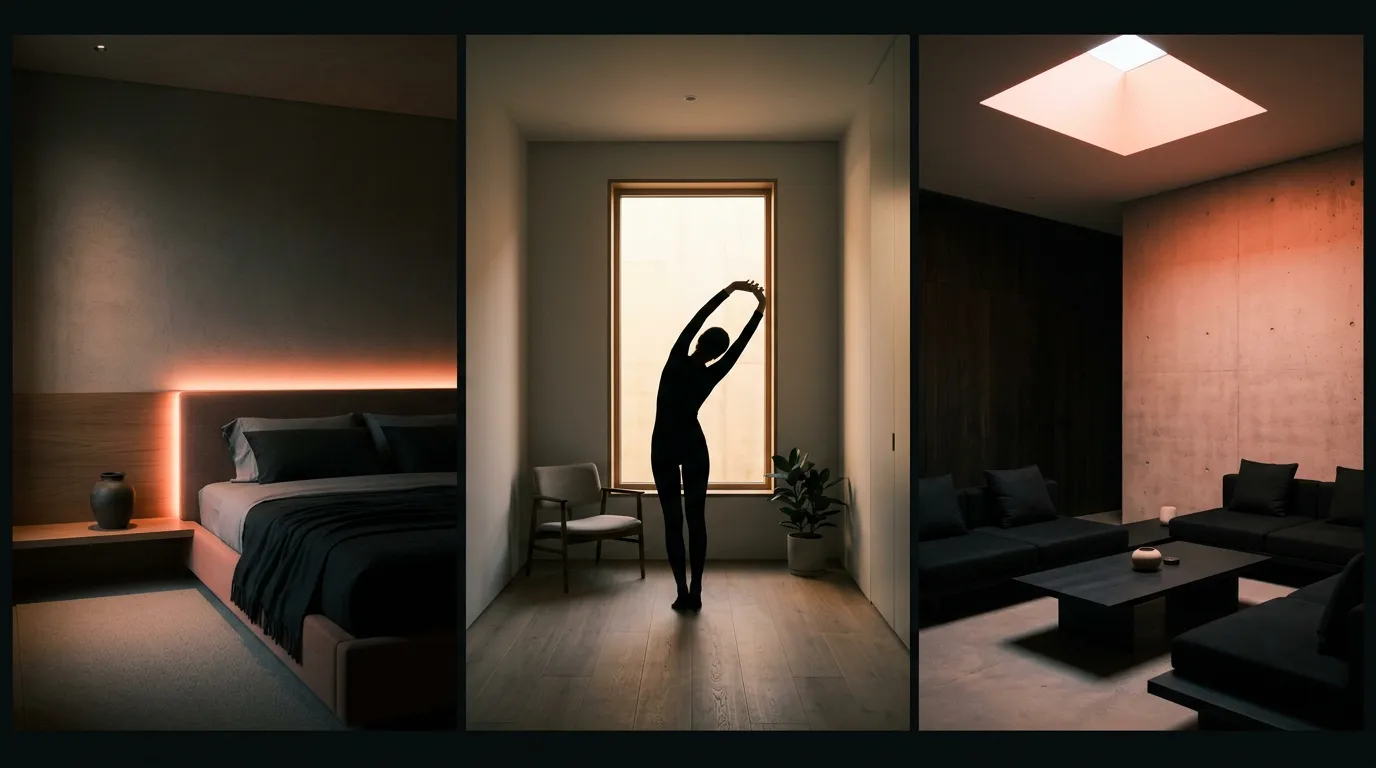
First, we needed to move away from wellness trends. Our approach began by reframing wellness around human states and behaviours rather than amenities alone; the work opened new possibilities for how a global hospitality brand can create experiences that are simultaneously more relevant, more differentiated and more deeply human.
We explored emerging shifts across wellness, longevity, sensory sciences and technology to identify the fundamental human needs that remain relevant regardless of hotel category, from sleep and recovery to energy, transition, connection and restoration.
From there, we developed a strategic framework for thinking about how those needs could be addressed differently depending on the context.
Rather than prescribing a single wellness model, the work considered a spectrum of experiences: how an idea might become richer and more refined within luxury hospitality, while remaining simple, scalable and meaningful within more accessible tiers.
The objective was to create a common philosophy without creating a uniform experience.
The Solution
First, we needed to move away from wellness trends. Our approach began by reframing wellness around human states and behaviours rather than amenities alone; the work opened new possibilities for how a global hospitality brand can create experiences that are simultaneously more relevant, more differentiated and more deeply human.
We explored emerging shifts across wellness, longevity, sensory sciences and technology to identify the fundamental human needs that remain relevant regardless of hotel category, from sleep and recovery to energy, transition, connection and restoration.
From there, we developed a strategic framework for thinking about how those needs could be addressed differently depending on the context.
Rather than prescribing a single wellness model, the work considered a spectrum of experiences: how an idea might become richer and more refined within luxury hospitality, while remaining simple, scalable and meaningful within more accessible tiers.
The objective was to create a common philosophy without creating a uniform experience.

The Outcome
The work established a strategic foundation for how Marriott could approach wellbeing across a highly diverse global portfolio, identifying where consistency matters most and where individual brands should be given room to differentiate.
Rather than producing a single, fixed wellness model, the strategy created a framework for translating shared priorities into different levels of experience across the portfolio, from foundational sleep and routine support through to more distinctive, brand-led interventions.
Importantly, the work also moved beyond strategy. Following the positioning, Marriott began progressing several targeted pilot concepts designed to test the approach in practice, build internal confidence and understand what could ultimately scale across brands and geographies.